

Room or Apartment: Where the Real Cost Difference Actually Comes From
Renting a room is almost always cheaper than renting an entire apartment on paper, but the actual gap depends on more than the listed price. Utilities, furnishing, deposit size, and what's included in the base cost all vary more between a room and an apartment than they do between two apartments, which is exactly what makes a fair comparison harder than it looks. Here's what actually drives the cost difference, beyond just the headline rent number.
What You're Comparing, Exactly
A room rental means leasing a single bedroom within a house or apartment, sharing common areas, kitchen, bathroom, living space, with the property owner or other tenants. An apartment rental means leasing an entire self-contained unit for yourself. The lower cost of a room isn't just about square footage, it reflects that you're not paying for exclusive use of a kitchen, a living room, or a bathroom the way you would with your own unit.
Where the Base Rent Difference Comes From
A room's rent typically covers a fraction of the property's total space, which is the most obvious source of savings. What's less obvious is that this comparison only works cleanly if you're comparing a room against a similarly sized studio or one-bedroom apartment in the same area, not against a large multi-bedroom unit split several ways. Compare listings for the specific apartment size you'd actually consider, not the cheapest room against the most expensive apartment type, to get an honest read on the real gap in your market.
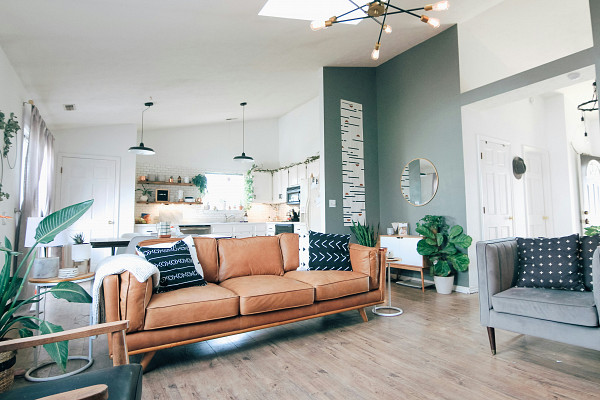
Renting a Room vs. Renting an Apartment
What's Often Included in a Room Rental (and Isn't With an Apartment)
- Furnishing. Room rentals are very commonly furnished, since you're moving into an existing household setup rather than an empty unit. A standard apartment lease more often comes unfurnished, which means factoring in furniture costs on top of rent if you're starting from scratch. Our guide to furnished vs. unfurnished apartments covers that trade-off in more detail if you're weighing it directly.
- Utilities, sometimes. Many room rentals bundle utilities into the monthly rate, since splitting a single household bill among roommates is simpler than each person opening separate accounts. A standard apartment lease is less consistent here, utilities are sometimes included, sometimes billed separately depending entirely on the specific lease. Our guide to what's actually included in your rent covers how to confirm this either way before you sign.
- A smaller deposit, generally. A room rental deposit is typically lower than a full apartment's, in line with the lower monthly rent, though this varies enough by individual landlord that it's worth confirming directly rather than assuming a fixed ratio.
What Costs the Same, or More, With a Room
Not everything scales down proportionally. Application or screening fees, if a landlord charges them, are often flat regardless of whether you're renting a room or a full unit. And the real cost of a room isn't purely financial: shared kitchen and bathroom space means less control over cleanliness, noise, and scheduling than you'd have with your own apartment, a cost that doesn't show up on a rent comparison but affects day-to-day life just as much.
The Lease Situation Is Often Different Too
A room rental, especially one arranged directly with a homeowner rather than through a formal property management company, is sometimes structured less formally than a standard apartment lease, occasionally a sublease agreement, a roommate arrangement without a full lease, or a simpler agreement between you and the property owner. In some states, renting a room in a home where the owner also lives puts you in a separate legal category, often called a «lodger», with meaningfully fewer protections than a standard tenant. California is a clear, well-documented example: under Civil Code Section 1946.5, an owner can end a single lodger's stay with written notice alone, without going through the formal eviction court process a standard apartment tenant would be entitled to, provided the owner lives in the home and retains access to the space. This specific rule applies only when there's a single lodger in the home, not multiple room renters, and other states handle room rentals within an owner-occupied home differently, or don't define the category at all. Whether any of this applies to you depends entirely on your state and the specific arrangement, so it's worth checking directly rather than assuming standard tenant protections apply. Whatever the arrangement, get the rent, deposit, and terms in writing regardless of how informal the situation feels.
When Renting a Room Actually Makes Financial Sense
It makes the most sense when you're prioritizing cost savings over privacy and control, common for a first move away from home, a temporary stay in an expensive city, or simply stretching a tight budget as far as possible. It also suits people relocating somewhere new who want to test a neighborhood or city before committing to a full lease of their own. Our guide on what income you typically need to rent an apartment is worth checking if you're deciding between the two based partly on whether you'd currently qualify for a full unit on your own.
When an Apartment Is Worth the Extra Cost
An apartment makes more sense once privacy, control over your own space, and not sharing a kitchen or bathroom outweigh the savings, which for a lot of people becomes true as income grows or as a longer-term living situation calls for more stability and independence than a shared arrangement offers.
For Landlords: Renting Out a Room in Your Property
If you're considering renting out a room in your own home rather than a full unit, the same practical questions apply from the other side: what you'll include in the rate, utilities, furnishing, and how formal your agreement with the tenant will be. Our guide to listing your rental yourself covers setting clear terms and screening consistently, which matters just as much for a single room as it does for a full property.
FAQ
Is renting a room always cheaper than renting an apartment?
Generally, yes, on base rent, since you're paying for a fraction of the property rather than an entire unit. The real gap depends on what's included, utilities and furnishing especially, so compare the total monthly cost rather than just the listed rent.
Do room rentals usually include utilities?
Often, yes, more consistently than apartment leases do, since splitting a shared household bill is simpler than each tenant managing separate accounts. It still varies by landlord, so confirm what's included before assuming.
Is a room rental a formal lease like an apartment?
Not always. Room rentals, especially informal arrangements with a homeowner who lives in the property, are sometimes less formally structured than a standard apartment lease. In some states, this puts you in a distinct legal category, often called a «lodger», with fewer protections than a standard tenant. California, for example, allows an owner to end a single lodger's stay with written notice alone, without a formal eviction proceeding. This varies significantly by state, so get the terms in writing and check your specific state's rules rather than assuming standard tenant protections apply.
What should I compare beyond the rent price?
Whether utilities and furnishing are included, the deposit amount, and the lease structure itself. Two listings with similar rent can end up costing very different amounts once you add in what's not included in the base price.
Comparing the Actual Total, Not Just the Rent
The honest cost comparison between a room and an apartment isn't the two rent numbers side by side, it's the total monthly cost once utilities, furnishing, and deposit are factored in, weighed against how much privacy and control you're willing to trade for the savings. Get the specifics of what's included before deciding either option is the clearly cheaper one.