

Furnished or Unfurnished Apartments: What Each One Actually Gets You
A furnished apartment comes with furniture already in it, at minimum a bed and a place to sit, sometimes a full setup down to kitchenware and linens. An unfurnished apartment gives you the space and, in most markets, the major kitchen appliances, and leaves everything else to you. The choice sounds simple, but the real decision comes down to your specific timeline and what «furnished» actually means for the unit you're looking at, since the word covers a wide range in practice.
What «Furnished» Actually Includes
There's no fixed standard for what counts as furnished, and it varies significantly from one listing to the next. At the basic end, furnished might mean a bed, a sofa, and a table, with everything else, dishes, linens, small appliances, left to you. At the fuller end, it can mean a completely equipped apartment down to cookware and bedding, ready to move into with just your clothes and personal items. Ask for a specific inventory before assuming either version, especially if you're comparing furnished units at different price points, since the gap in what's included often explains the gap in rent more than the apartment itself does.
What «Unfurnished» Actually Includes
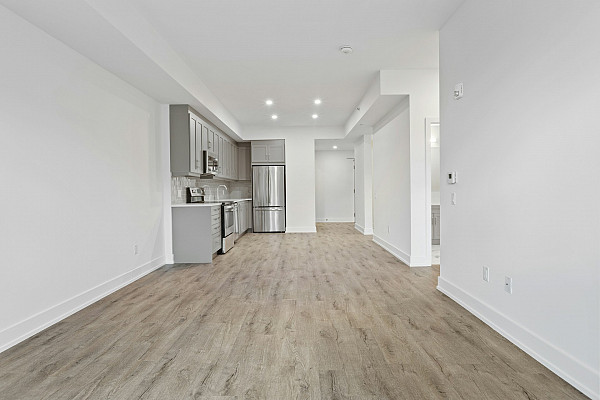
In many markets, an unfurnished apartment still comes with major kitchen appliances already installed, a stove and refrigerator, since these are generally treated as part of the unit rather than furniture. What you're expected to bring is furniture itself: bed, sofa, table and chairs, and typically smaller appliances like a microwave if you want one. This isn't universal everywhere, so it's worth confirming what's actually installed before you assume a stove or fridge will be there, rather than relying on the «unfurnished» label alone to tell you.
The Real Cost Trade-Off
A furnished unit almost always costs more per month than an equivalent unfurnished one in the same building or area, since you're paying for the furniture itself along with the convenience of not sourcing it yourself. Whether that premium makes sense depends heavily on how long you're staying. For a lease measured in months, a relocation, a temporary assignment, a trial run in a new city, paying the premium is often cheaper overall than buying furniture you'll have to sell, store, or ship again soon after. For a lease measured in years, the ongoing premium adds up, and buying your own furniture once is usually the more economical route over time, even accounting for the upfront cost.
If you're specifically weighing a fully managed, furnished setup rather than just furniture, our guide to serviced apartments covers that adjacent option in more detail, including when the added services are worth the higher price on top of furnishing alone.
Who Furnished Suits
Furnished works best for anyone whose stay has a defined, shorter timeline: a work relocation with a set end date, a semester or program abroad, a trial period in a new city before committing longer term, or simply not wanting to deal with buying and eventually disposing of furniture for a stay you already know is temporary. It also suits anyone moving internationally without the practical option of bringing furniture along.
Who Unfurnished Suits
Unfurnished suits anyone settling in for the long term, already owns furniture from a previous place, or wants their own style and setup rather than whatever came with the unit. It's also the more common default for standard long-term leases in most markets, which means a wider selection of available units to choose from if you're not restricted to the furnished subset of listings.
What to Check Before Renting Furnished
- Get a written inventory of exactly what's included, ideally with photos, rather than relying on the general word «furnished.» This protects you at move-out too, since it's your reference for what condition things were in when you arrived.
- Ask about the age and condition of the furniture. A furnished unit with worn or outdated furniture isn't necessarily a problem, but it's worth knowing before you're comparing it against a newer unfurnished unit at a similar price.
- Clarify how furniture damage affects your deposit. Damage to included furniture is generally treated the same as damage to the unit itself when it comes to your security deposit, so ask specifically how that's assessed.
- Ask whether furniture can be removed or swapped if there's a piece you don't want or need. Some landlords are flexible here, others aren't, and it's worth knowing before you sign rather than living around furniture you didn't choose.
- Don't assume furnished means you can skip renters insurance. In general, a landlord's own policy is what typically covers the furniture they've provided, while your renters insurance covers your personal belongings and liability, not the landlord's furniture. If a lease requires renters insurance, that requirement usually still applies to a furnished unit.
What to Check Before Renting Unfurnished
- Confirm exactly what's installed, particularly the stove and refrigerator, rather than assuming based on general local practice. This matters most if you're moving from a market with different conventions.
- Ask about light fixtures and window treatments, which some landlords include and others leave entirely to the tenant, and which aren't always obvious from listing photos.
- Factor moving and setup costs into your budget, not just the monthly rent, if you're furnishing an apartment from scratch. It's a real upfront cost that's easy to underestimate when comparing rent prices alone.
For Landlords: Is Furnishing a Unit Worth It?
Furnishing a unit can support a higher rent and open it up to a different pool of tenants, relocations, short-to-medium-term renters, people moving from out of the area, but it also means an upfront furniture cost, ongoing wear and depreciation, and more complexity when assessing damage at move-out. Whether the premium you can charge covers that added cost and risk is worth running the numbers on directly with our rental profit calculator before converting a standard unfurnished unit. If you decide to list a furnished property, our guide to listing your rental yourself covers how to write a listing that sets clear expectations upfront, and you can list your property directly once you're ready.
FAQ
Does «furnished» always mean the same thing?
No. It ranges from a basic setup, bed, sofa, table, to a fully equipped apartment with kitchenware and linens included. Always ask for a specific inventory rather than assuming from the word alone, since the gap between listings can be significant.
Does an unfurnished apartment include a stove and refrigerator?
In many markets, yes, these are typically treated as part of the unit rather than furniture. This isn't universal everywhere, so confirm what's actually installed before assuming, particularly if you're moving between different regions or countries.
Is furnished or unfurnished cheaper overall?
It depends on how long you're staying. Furnished usually costs more per month, but for a short-to-medium stay it can be cheaper overall than buying furniture you'd have to get rid of soon after. For a long-term lease, buying your own furniture once is generally more economical than paying an ongoing furnished premium.
Am I responsible for damage to furniture in a furnished apartment?
Generally, yes, damage to included furniture is typically treated the same as damage to the unit itself for security deposit purposes. Get a written, photographed inventory when you move in so there's a clear reference point if a dispute comes up later.
Choosing What Actually Fits Your Timeline
The furnished-versus-unfurnished decision comes down less to preference and more to how long you're actually staying and what specific inventory a «furnished» listing is offering you. Get the details in writing either way, an inventory for furnished, confirmation of installed appliances for unfurnished, and weigh the monthly premium against your expected length of stay rather than deciding on convenience alone.