

How to List Your Rental Yourself: A Step-by-Step Guide for Private Landlords
Listing a rental property yourself means handling the entire process — pricing, photos, screening, and paperwork — without paying a leasing agent's commission. For a single unit or a handful of properties, this is usually the more cost-effective route: you keep the portion of rent that would otherwise go to a broker, and you stay in direct contact with the person who'll actually be living in your property. This guide walks through what to prepare before you post, how to write a listing that attracts serious applicants, and where to list so tenants searching for private-owner rentals can actually find you.
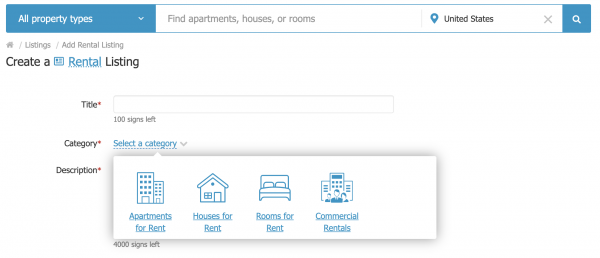
Ready to post? You can list your rental property directly on Yonfi and reach tenants specifically looking to rent from an individual owner.
What to Prepare Before You Post
A complete, accurate listing gets fewer time-wasting questions and more serious applicants. Before you write anything, have the following ready:
- Property details — exact address (or general area if you prefer not to publish the full address until an application is submitted), square footage, bedroom and bathroom count, and for houses, yard or lot details.
- Rent and deposit amount — the monthly rent, the security deposit, and whether the deposit is refundable and under what conditions.
- Lease terms — length of the lease (12 months is standard for a long-term rental), available move-in date, and whether you're open to a slightly flexible start date.
- Utilities and included costs — which utilities, if any, are included in rent, and which the tenant is expected to set up themselves.
- Pet policy — whether pets are allowed, any breed or size restrictions, and any pet deposit or additional monthly pet rent.
- Maintenance responsibilities — especially for houses, decide upfront who handles lawn care, snow removal, and minor exterior upkeep, and state it clearly in the listing.
Setting the Rent
Check what comparable properties in your area and unit type are currently asking — browsing active listings for apartments or houses in your neighborhood gives you a current, real-world reference point rather than relying on a national average, which won't reflect your specific market. Pricing slightly below the top of your local range typically shortens vacancy time; pricing at the top end makes sense only if your property has a clear edge — recent renovation, better location, included utilities — that comparable listings don't offer.
Writing a Listing That Attracts Serious Applicants
- Lead with the facts, not adjectives. Bedroom and bathroom count, square footage, rent, and move-in date should be visible immediately — applicants filter on these first.
- Use clear, well-lit photos of every room, plus the exterior, any outdoor space, and shared amenities if applicable. Listings with a complete photo set consistently generate more serious inquiries than listings with only one or two images.
- State your screening process in the listing itself. If you require a credit check, proof of income, or references, say so upfront — it filters out applicants who wouldn't qualify anyway and saves both sides time.
- Answer the questions you'd ask as a tenant. Parking availability, laundry setup, pet policy, and who covers which utilities are the most common follow-up questions — answering them in the listing reduces back-and-forth.
Deciding on a Screening Process
Decide how you'll screen applicants before your first inquiry comes in, and apply the same process to everyone — consistency matters both practically and legally. Common approaches include:
- A credit and background check through a tenant-screening service
- Proof of income or employment verification, typically a multiple of monthly rent
- Contacting previous landlords for a reference
- A combination of the above
Whatever you choose, apply it the same way to every applicant. Federal fair housing law includes narrow exemptions for some very small-scale private owners — for example, an individual who rents out no more than three single-family homes directly, without a broker — but these exemptions never cover discriminatory advertising, and never cover discrimination based on race or color, which the Civil Rights Act of 1866 prohibits with no exception. Whether an exemption applies to your situation depends on specifics like ownership structure and whether you live on-site, and state law often adds protections that go beyond the federal exemptions. Using one documented, consistent screening process for every applicant is simpler than trying to rely on an exemption, and it's your best practical protection if a rejected applicant ever questions your decision.
The Legal Basics Before You Accept a Tenant
- Have a written lease ready before you accept anyone — a verbal agreement or a text-message understanding isn't enforceable in the same way, and doesn't protect either side if a dispute comes up later.
- Security deposit rules vary by state — many states cap how much you can charge and set a legal deadline for returning it after move-out, sometimes with required interest. Check your specific state's landlord-tenant law rather than assuming a national standard.
- Check whether a fair housing exemption applies to you — but don't assume it does. Federal law includes narrow exemptions for some private owners, including one for individuals who rent out no more than three single-family homes directly without a broker. These exemptions never cover discriminatory advertising or discrimination based on race or color, and state law often adds protections that don't include the same exemptions. Because this is situation-specific, check current HUD guidance or a local attorney rather than relying on a summary — and applying one consistent process to every applicant is the safer practical approach either way.
Common Mistakes First-Time Landlords Make
- Listing without a clear screening process, then improvising criteria applicant by applicant — this is both inconsistent and a legal liability.
- Skipping the written lease for a friend, family member, or someone who «seems trustworthy» — verbal agreements are the single most common source of landlord-tenant disputes.
- Leaving maintenance responsibilities unstated, especially for houses — assuming the tenant will handle the yard, or that you will, without ever confirming it in writing.
- Underpricing out of uncertainty — checking current comparable listings before setting rent avoids leaving money on the table or, just as often, overpricing and sitting vacant.
Where to List Your Rental
General classifieds sites reach a broad audience but mix rental listings in with everything else being bought and sold locally, which means less-targeted inquiries. A platform built specifically for long-term rentals puts your listing in front of people who are already searching for exactly that — a private-owner apartment or house on a standard lease, not a short-term stay. You can list your property on Yonfi to reach tenants actively searching by category and location.
FAQ
Can I list my rental property without a real estate agent?
Yes. As the property owner, you're free to list, screen, and lease your own property without an agent. You handle the process yourself, but you also keep the portion of rent that would otherwise go to a leasing commission.
What information does a rental listing need to include?
At minimum: rent, security deposit, bedroom and bathroom count, square footage, available move-in date, pet policy, and which utilities (if any) are included. Listings with complete information and full photo sets attract more serious inquiries.
Do I need a written lease if I'm renting to someone I know?
Yes. A written lease protects both parties regardless of the relationship — it documents the rent, deposit, term, and responsibilities in a way a verbal agreement can't, and it's the reference point if any disagreement comes up later.
How do I screen tenants if I'm renting my property myself?
Common options include a credit and background check through a tenant-screening service, proof of income or employment verification, and contacting previous landlords for references. Decide your process in advance and apply it the same way to every applicant.
Conclusion
Listing your own rental takes more upfront effort than handing it to an agent, but the process is straightforward once you have the details, photos, and a consistent screening approach ready before you post. The parts that matter most — a written lease, a clear screening process, and knowing your state's basic landlord-tenant rules — protect you whether you're renting out one property or several. When you're ready, list your rental directly and reach tenants who are specifically looking to rent from a private owner.