

How Many Units Turn a Property Into "Multi-Family"?
The single-family versus multi-family line has nothing to do with architecture, size, or whether a home shares a wall with a neighbor. It comes down to one thing: how many separate living units sit on that property under one roof or one lot. A property with one self-contained unit is single-family. Two or more, and it's multi-family, regardless of whether it looks like a house, a townhouse, or an apartment building from the street.
The Real Dividing Line: Unit Count, Not Style
A single-family home is one self-contained dwelling on its own lot, one kitchen, one set of utilities, one household. The moment a property contains two or more separate units, each with its own kitchen and entrance, it crosses into multi-family territory, no matter what the building looks like. A duplex is multi-family by definition, since it's exactly two units. Our guide to what a duplex apartment actually means covers that specific case. A triplex is three units, a fourplex is four, and a large apartment building is multi-family many times over. What confuses people is that style and unit count are two completely separate questions, a building can look exactly like a single-family house from the outside and still be a legal duplex inside, or look like a small apartment block and actually be a single unit.
Where Townhouses and Condos Actually Fit
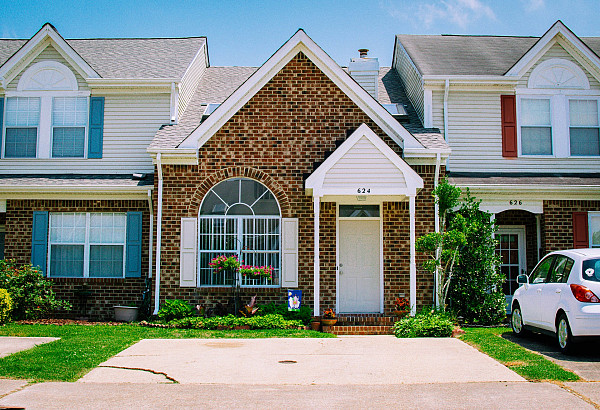
This is where the confusion usually comes from, because townhouse and condo describe different things entirely, and neither one directly answers the single-family-versus-multi-family question on its own. A townhouse describes the building's structure, an attached, multi-story home with a private entrance, and it can be either single-family or multi-family depending on ownership: a row of townhouses where each unit has its own separate deed is effectively a row of individual single-family properties, while the same building under one owner renting out multiple units is multi-family. A condo works the same way but for a different reason, condo describes an ownership structure, not a unit count, so a condo building is typically multi-family as a whole property, even though each individual condo unit you might rent functions like a single self-contained home. Our guide to what's actually different about renting a condo goes deeper on that ownership side specifically.
Why 4 Units vs. 5 Units Is the Number That Actually Matters
Within multi-family, there's a second dividing line that matters more than most renters realize, and it's not about the tenant experience at all, it's about how the property gets financed and regulated. In US real estate, properties with one to four units are generally treated as residential for financing purposes, eligible for conventional and FHA-backed mortgages with lower down payments. The moment a property hits five or more units, it's classified as commercial multifamily, financed and appraised completely differently, based on the building's rental income rather than a comparison to nearby home sales. This threshold is why a duplex, triplex, or fourplex often behaves financially more like a single-family home than like a large apartment complex, even though all of them are technically multi-family by unit count.
Single-Family Zoning: Why the Label Shows Up in Local Policy Debates
You've likely seen «single-family zoning» mentioned in local housing news, and it's a real, separate concept from the property classification above. Many cities zone certain areas specifically for single-family use, meaning only one dwelling unit is legally permitted per lot in that zone, which restricts duplexes, fourplexes, or larger buildings from being built there at all regardless of what a developer might want to construct. This is a significant factor in local housing supply debates, since single-family-only zoning limits how much multi-family housing, and therefore how many rental units, a city can add without changing its zoning rules. The specifics vary enormously by city and are actively being revised in a lot of places, so this article won't attempt to describe any particular city's current rules. If zoning specifically affects a property you're renting or considering, check with the local planning department rather than assuming based on general trends elsewhere.
What This Actually Means for You as a Renter
The classification itself doesn't change your rights or your lease terms, those come from your specific rental agreement and your state's landlord-tenant law either way. What it does often signal is who you're likely dealing with and what kind of building you're moving into. A single-family rental or a small multi-family property, a duplex or fourplex, is more often owned and managed by an individual landlord, while larger multi-family buildings, five units and up, are more likely to have professional, on-site property management. Neither is inherently better, but knowing which situation you're in helps set expectations for things like maintenance response time and how personal or standardized the leasing process will feel.
For Owners: Why This Classification Affects How You Manage the Property
If you're weighing whether to buy or list a property with more than one unit, this classification is worth understanding before anything else, since it determines your financing options, your down payment requirements, and how the property gets appraised. Whether you're renting out a single-family home or one unit in a small multi-family property, the practical side of finding and screening a tenant is largely the same. Our guide to listing your rental yourself covers that process regardless of which category your property falls into, and if you're comparing whether a house or apartment-style unit is the better rental for your situation, our guide on renting a house versus an apartment covers that trade-off from the tenant's side.
FAQ
Is a duplex considered a single-family home or multi-family?
Multi-family. A duplex contains two separate units, and multi-family classification starts at two units regardless of how the building looks from the outside. It's still commonly financed like a residential property, though, since the residential financing threshold runs up to four units.
Is a townhouse a single-family home or multi-family?
It depends on ownership, not the building style. A townhouse where each unit has its own individual deed functions as a single-family property. The same building under one owner renting out multiple units is multi-family. The physical structure alone doesn't answer the question.
What's the difference between a multi-family home and an apartment building?
Mostly scale and financing, not a hard category difference. Both are multi-family by definition, multiple units on one property, but a small multi-family property, up to four units, is typically financed and managed more like a single-family home, while a larger apartment building, five units or more, is classified as commercial and managed at a different scale entirely.
Does single-family zoning mean only single-family homes can exist in an area?
Generally, yes, within that specific zoned area, only one dwelling unit is legally permitted per lot, which is why single-family zoning restricts duplexes and larger multi-family buildings from being built there. The exact rules and how strictly they're enforced vary significantly by city, so check with the local planning department for specifics that affect a particular property.
One Question, Not Three
Single-family and multi-family aren't describing architecture, they're answering exactly one question: how many separate units does this property actually contain. Everything else, whether it's a townhouse or a duplex or a condo, whether it has an HOA, whether it's financed like a house or like a commercial building, follows from that single number rather than from what the property looks like. Once you're asking about unit count specifically, the label on a listing stops being confusing.