

House or Apartment? What You Actually Trade Off Renting Each
The house-versus-apartment decision isn't really about which one is better. It's about which specific trade-offs match how you actually live: how much space and privacy you want, how much maintenance responsibility you're willing to take on, and whether shared amenities or a private yard matter more to you. Here's what actually changes when you rent a house instead of an apartment, without pretending one option wins outright.
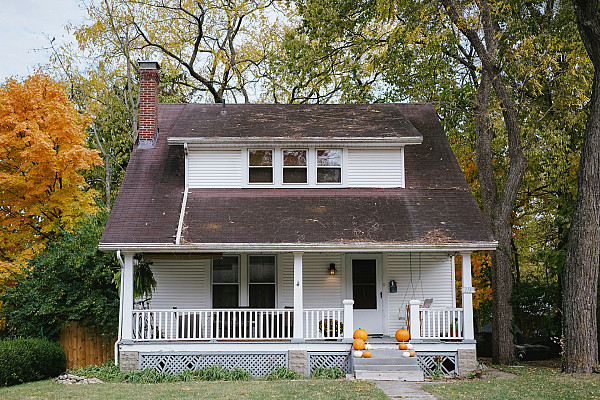
What You Gain Renting a House
- No shared walls. A standalone house means no neighbors on the other side of your bedroom wall, which is one of the most consistently cited reasons people prefer houses over apartments, especially after living in a noisy building.
- A yard or outdoor space. Most houses come with at least some private outdoor area, which a typical apartment simply doesn't offer unless it's a ground-floor unit with a small patio.
- More flexible parking. A driveway or garage is standard with a lot of houses, compared to competing for street parking or paying for an assigned spot in many apartment buildings.
- Often more flexibility from the landlord. Houses are frequently owned by individual landlords rather than management companies, which can mean more room to negotiate lease terms, move-in dates, or pet policies. Our guide to renting directly from a private landlord covers what that relationship actually looks like in practice.
- More pet-friendly options in practice. A private yard and no shared walls make many house landlords more open to pets than a big apartment complex managing pet policy across hundreds of units. Our guide on what «pet-friendly» actually means is worth reading either way, since the label still varies by landlord.
What You Give Up Renting a House
- No shared amenities. A gym, pool, or clubhouse that comes standard in a lot of larger apartment complexes generally isn't part of renting a standalone house, since there's no building-wide infrastructure to support it.
- Utilities are usually all on you, separately. Apartment buildings sometimes bundle water, trash, or even internet into the rent or a flat utility fee. A standalone house more often means separate accounts for every utility, with nothing bundled in by default. Our guide to what's actually included in your rent covers how to confirm this before you sign, since it varies by lease either way.
- Yard maintenance can fall on you. Many house leases assign lawn care, and sometimes snow removal, to the tenant rather than the landlord. This is worth confirming specifically, since it's a real ongoing cost in time or money that a typical apartment lease simply doesn't include.
- Slower maintenance response in some cases. A large apartment complex often has on-site staff or a dedicated maintenance team. A house owned by an individual landlord depends entirely on that one person's availability and responsiveness, which can be faster or slower than a big management company depending on the landlord.
- Less predictable move-out and lease processes. A large complex generally runs the same standardized process for every tenant. An individual house landlord may be less experienced with the process, which can go either way, more personal and flexible, or less consistent, depending entirely on that specific landlord.
Is a House Actually Cheaper Than an Apartment?
There's no consistent answer. In some markets, a house costs noticeably more than a comparable apartment because of the extra space and land; in others, particularly for older houses outside a city center, rent can come in lower than a newer apartment complex with a full amenity package. Total cost also depends on what's actually included, since a house with every utility billed separately can end up costing more month to month than an apartment with some utilities bundled in, even if the base rent looks similar. Compare specific listings in your actual market rather than assuming either type is the cheaper option by default.
Who a House Actually Suits
A house tends to suit anyone who wants more space and privacy than a shared building offers, especially families, people with pets, or anyone planning to stay somewhere for several years and wanting the stability of a private, standalone home. It suits people who don't mind, or actively want, some outdoor space to maintain, and who are comfortable dealing directly with an individual landlord rather than a management office.
Who an Apartment Actually Suits
An apartment tends to suit anyone who values shared amenities, more predictable management and maintenance, and less personal upkeep, no yard, no separate utility hookups to manage in some cases. It also suits anyone prioritizing location over space, since apartments are more commonly available in denser, more central areas where standalone houses are scarcer or significantly more expensive.
For Landlords: Which Should You List?
If you own both a house and an apartment-style unit, or you're deciding what to buy as a rental, the practical differences above apply just as much from the ownership side: a house typically means more maintenance responsibility falling to you as the owner unless your lease shifts yard care to the tenant, while an apartment unit in a managed building often comes with more predictable, shared upkeep. Whichever you're renting out, our guide to listing your rental yourself covers pricing, screening, and writing a listing that sets clear expectations from the start.
FAQ
Should I rent a house or an apartment?
It depends on what you actually value: a house offers more space, privacy, and often outdoor area, at the cost of more maintenance responsibility and no shared amenities. An apartment offers more predictable management and amenities, with less space and privacy. Neither is universally better, it comes down to your specific priorities and budget.
Is renting a house cheaper than renting an apartment?
Not consistently. It depends heavily on your specific market, the size and age of the property, and what's included in each. Compare actual listings in your area rather than assuming one type is reliably cheaper.
Who pays utilities when renting a house?
Usually the tenant, and usually for every utility separately, since a standalone house doesn't have the shared infrastructure an apartment building sometimes uses to bundle water or trash into the rent. Confirm the specific split in your lease rather than assuming based on general practice.
Who's responsible for yard maintenance when renting a house?
It varies by lease. Some landlords keep responsibility for lawn care themselves, others pass it to the tenant. This should be spelled out clearly in the lease, so ask directly if it isn't addressed before you sign.
Matching the Trade-Off to Your Situation
Neither renting a house nor renting an apartment is the objectively right choice, and the honest answer to «which one» depends on which trade-offs you're actually willing to make: space and privacy against more personal maintenance responsibility, or shared amenities and predictability against less room and less control over your immediate surroundings. Get specific about what a given lease actually includes, utilities, maintenance responsibilities, pet policy, before comparing the monthly rent number alone.