

Duplex Apartment, Explained: What the Term Really Means
«Duplex» is one of the more confusing terms in rental listings, mostly because it means different things depending on where you're searching. In the US, a duplex is generally a building divided into two separate residential units, each usually with its own entrance, typically stacked one above the other or side by side. Some municipal codes define the category more narrowly than everyday listing language does, so a property marketed as a duplex isn't always structured identically from one city to the next. In some other markets, the same word describes something entirely different: a single-family home spread across two internal floors, connected by a staircase, with no second unit at all. If you've seen the term used differently somewhere else, that's not a mistake, it's a genuinely different meaning of the same word. This guide focuses on the US definition and what it actually means to rent one.
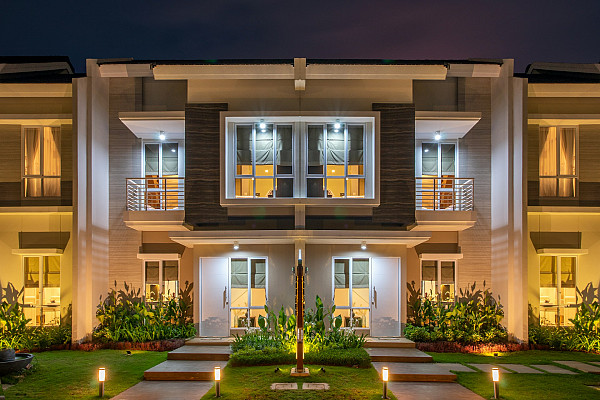
Duplex
What a Duplex Actually Is
In US real estate, a duplex is a single building split into two independent living units. Each unit typically has its own entrance, its own kitchen and bathroom, and functions as a fully separate home, even though the two share one structure and sometimes a wall, floor, or ceiling. The two most common layouts are:
- Side-by-side duplex. The two units sit next to each other, each occupying roughly half the building, sharing a single wall down the middle.
- Stacked duplex. One unit occupies the ground floor and the other sits above it, sharing a floor and ceiling between them rather than a wall.
If you're comparing unit sizes across listings that use different measurement units, our sqft-to-sqm converter makes it easier to compare directly.
Either way, the key point is that a duplex means two separate households living in one building, not one household spread across two floors. That second version, common in other markets, is closer to what's usually called a «detached house» or simply a «house» in US listings.
What It's Actually Like to Live in One
Renting one half of a duplex means living with a shared wall, floor, or ceiling next to another household you didn't choose and generally won't be involved in selecting. Sound transfer is the most common day-to-day consideration: a duplex built with older or thinner shared walls carries sound between units more than a fully detached house would, and it's worth asking about this directly, or listening for it during a viewing, rather than assuming based on the building's age or appearance alone.
On the upside, a duplex often gives you more of a house-like feel than an apartment does: your own entrance, sometimes your own small yard or outdoor space, and no shared hallways or building-wide amenities to navigate. It sits in a middle ground between a full standalone house and a unit in a larger apartment building.
Duplex vs. Apartment
The most consistent difference is scale and shared infrastructure. An apartment is typically one of many units in a larger building, often with shared hallways, elevators, and building-wide systems. A duplex is just two units total, which usually means fewer shared systems to go wrong, but also fewer of the amenities a larger apartment building might offer, like a shared gym, package room, or on-site management.
What to Check Before Renting Half a Duplex
- Ask directly about sound transfer between the units, especially if the walls, floor, or ceiling shared with the other unit are original to an older building rather than recently updated.
- Clarify who's responsible for shared exterior spaces, such as a shared yard, driveway, or entryway, if the property has any. This is more often left ambiguous in a duplex lease than in a standard apartment lease.
- Ask whether utilities are separately metered for each unit or shared and split between the two households. A shared meter can complicate billing in ways a fully separate apartment wouldn't.
- Find out who owns and manages the property. Some duplexes are owned by an individual landlord living in the other unit, which changes the day-to-day dynamic compared to a duplex owned by an investor who doesn't live on-site. If you're the one considering buying a duplex to live in one side and rent out the other, our rent vs. buy calculator and rental profit calculator can help you weigh the numbers before committing.
- Confirm parking arrangements if the property has limited off-street parking shared between both units.
Duplex vs. Townhouse
These two get confused often enough to be worth a direct comparison. A duplex is specifically two units sharing one building. A townhouse is typically part of a longer row of similar units, often three or more in a line, each with its own separate title or lease, sharing walls with neighbors on one or both sides. If the property you're looking at is one of several identical units in a row rather than exactly two, it's a townhouse, not a duplex, regardless of how the listing describes it.
FAQ
Is a duplex the same as a house with two floors?
Not in standard US usage. A US duplex is a building split into two separate residential units, each with its own entrance, not one household living across two internal floors of a single home. That second meaning is common in some other countries, but it describes a different type of property in the US market.
Does renting a duplex mean sharing space with another tenant?
You'll share a wall, floor, or ceiling with the other unit, but each duplex unit functions as a fully separate home with its own entrance, kitchen, and bathroom. You're not sharing living space directly, but you are living in close proximity to another household.
Is a duplex quieter than an apartment building?
It depends on construction. With only one neighboring unit instead of many, there's generally less overall building noise than in a larger apartment complex, but sound transfer through a shared wall, floor, or ceiling in an older duplex can still be noticeable. Ask directly or listen for it during a viewing rather than assuming.
What This Means for Your Search
A duplex, in standard US rental-listing usage, means one building holding two separate homes, not a single house spread across two floors, which is a different property type entirely under the same name in other markets. Renting one gives you a middle ground between a full standalone house and a unit in a larger apartment building: your own entrance and more privacy than a big complex, but a shared wall, floor, or ceiling with one other household. Ask about sound transfer, utility metering, and shared spaces before you sign, since those details vary more from one duplex to the next than they do between standard apartments. Check our rent affordability calculator to see how a duplex fits your budget, and if you're the owner planning to list the other unit yourself, our guide to listing your rental yourself covers that process. For another commonly confused property type, see our loft vs. studio apartment guide.