

Serviced Apartments and Long-Term Stays: How They Actually Work
A serviced apartment is a furnished unit that comes bundled with hotel-style services, housekeeping, utilities included in the price, and often a management team you can contact directly, rather than the bare unfurnished unit and DIY setup of a standard lease. The name makes it sound like a short-stay product, and a lot of serviced apartments are booked that way, but the same model also works as a genuine long-term rental in many markets. The distinction that actually matters isn't the word «serviced,» it's whether the specific unit you're looking at is set up for a multi-month stay or just a flexible short one.
What a Serviced Apartment Actually Includes
The core idea is convenience: you move in without buying furniture or setting up utility accounts yourself. Beyond that baseline, what's included varies a lot by provider and building, but commonly covers:
- Furniture and basic housewares, so you're not starting from an empty unit.
- Utilities bundled into the price, rather than billed separately by you.
- Regular housekeeping or cleaning, at a frequency that varies by provider, from weekly to less often.
- A management or reception point of contact for maintenance issues, closer to how a hotel handles requests than how a typical landlord does.
None of this is standardized, so «serviced apartment» on its own doesn't tell you exactly what you're getting. Ask specifically what's included before comparing the price to a standard unfurnished lease, since two units both marketed as «serviced» can differ meaningfully in what that word actually buys you.
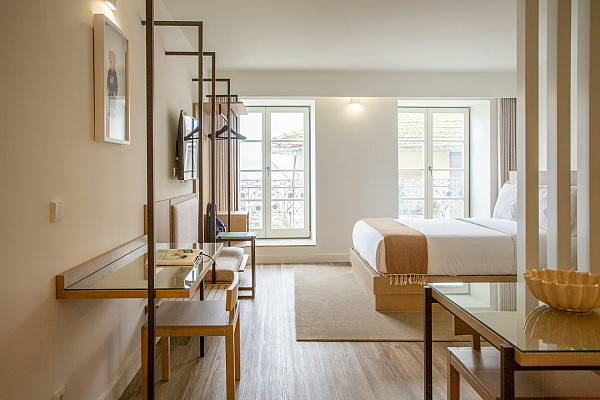
Serviced Apartment vs. Standard Long-Term Rental
A standard long-term rental is unfurnished, bills utilities separately in most cases, and puts maintenance and setup largely on you. A serviced apartment trades that setup work, and often some flexibility on lease length, for a higher price per month than an equivalent unfurnished unit in the same building or area. For a stay of a year or more, that premium adds up, which is why serviced apartments are more commonly chosen for stays measured in months rather than years, even when a longer-term option exists. The trade-off is genuinely about time and effort versus cost: if you don't want to buy furniture and set up utility accounts for a nine-month assignment, paying more per month to skip that can still work out cheaper than doing it yourself and then having to sell or ship everything afterward.
Serviced Apartment vs. a Hotel or Short-Term Rental
The comparison that actually matters for a longer stay is against a hotel, not against a standard unfurnished lease. A hotel room is smaller, doesn't include a kitchen in most cases, and gets noticeably expensive once you're paying a nightly rate for weeks or months in a row. A serviced apartment, priced monthly rather than nightly, is usually the more economical choice once a stay stretches past a few weeks, while still keeping the furnished, managed convenience that makes a hotel appealing for a short trip.
Who a Long-Term Serviced Apartment Actually Suits
It fits a specific set of situations well: a corporate relocation where the company is covering housing for a defined period, a remote worker testing out a new city before committing to a standard lease, an extended work assignment with a known end date, or someone moving internationally who doesn't want to furnish a home they'll leave again in a year. It suits these situations because the premium you're paying buys flexibility and convenience that has real value when your timeline is uncertain or short by rental standards. It suits an open-ended, multi-year stay far less well, since the ongoing premium over an unfurnished lease keeps compounding the longer you stay.
What to Check Before Booking a Long-Term Serviced Apartment
- Confirm the actual minimum stay and notice period. Some serviced apartment providers structure agreements more like a rolling monthly booking than a standard fixed-term lease, which changes what happens if you want to extend or leave early. Ask directly rather than assuming it works like a typical year-long lease.
- Get a full breakdown of what's included in the price, not just «utilities» or «services» as a general label, so you can compare it fairly against an unfurnished rental's total monthly cost. Our rent affordability calculator can help you check the real cost either way fits your budget.
- Ask what happens to the rate over time. Some providers offer a lower monthly rate the longer you commit upfront, while others price every month the same regardless of stay length. This can meaningfully change whether the serviced option still makes sense at the six-month or one-year mark.
- Check the furniture and condition in person or via video before committing, the same way you would for any furnished rental, since photos don't always reflect wear from previous tenants.
For Landlords: Is Offering a Serviced Unit Worth It?
Furnishing a unit and offering it as a serviced, all-inclusive rental is a real strategy for landlords targeting relocations and extended-stay tenants specifically, and it can command a higher monthly rate than an equivalent unfurnished unit. It also means taking on furniture costs, more frequent turnover in many cases, and the ongoing work of managing utilities and cleaning yourself rather than passing that responsibility to the tenant. Whether the higher rate justifies the added cost and effort is worth running the numbers on directly with our rental profit calculator before converting a standard unit over.
FAQ
Is a serviced apartment only for short stays?
No, though it's more commonly booked that way. Many serviced apartment providers offer stays of several months to a year or more, and the model works especially well for relocations, extended work assignments, or anyone who wants a furnished, managed unit without committing to buying furniture themselves.
Is a serviced apartment cheaper than a hotel for a long stay?
Generally, yes, once a stay runs past a few weeks. Serviced apartments are priced monthly rather than nightly and typically include a kitchen, which brings down both the base rate and day-to-day costs like eating out, compared to an extended hotel stay.
Is a serviced apartment more expensive than a standard unfurnished lease?
Usually, yes, on a monthly basis. You're paying for furniture, included utilities, and services you'd otherwise arrange yourself. Whether that premium is worth it depends on your timeline: it's easier to justify for a stay of months than for an open-ended, multi-year rental.
Do serviced apartments work like a standard year-long lease?
Not always. Some are structured as a rolling monthly booking rather than a fixed-term lease, which affects notice periods and how easily you can extend or leave early. Confirm the specific terms with the provider rather than assuming it matches a typical annual lease.
Weighing the Trade-Off
A serviced apartment isn't a different category of housing so much as a different bundle of what's included in the price: furniture, utilities, and management convenience traded for a higher monthly cost than an equivalent unfurnished unit. That trade genuinely makes sense for a defined, mid-length stay, a relocation, an assignment, a trial run in a new city, and makes less sense the longer an open-ended stay stretches on. Confirm exactly what's included and how the lease is structured before comparing the price against a standard rental, since the word «serviced» alone doesn't tell you enough to compare fairly.