

What Actually Makes an Apartment a Penthouse?
Not every top-floor unit is a penthouse, and not every penthouse is on the actual top floor of its building. The word gets used loosely in real estate marketing, which makes it worth knowing what actually separates a genuine penthouse from a nice apartment with a good view. This guide covers what defines a penthouse, what you're typically paying for beyond square footage, and what to check before you sign a lease for one.
What Actually Defines a Penthouse
A penthouse is, at minimum, a unit on the top floor (or one of the top floors) of its building. But floor level alone doesn't make a unit a penthouse in any meaningful sense. The units that genuinely earn the label usually share a few features that set them apart from the rest of the building:
- More space than the standard units below. Penthouses are frequently larger than typical units in the same building. In some buildings that's because two smaller units on the top floor were combined into one, though that's not the case everywhere, so it's worth asking rather than assuming. If listings you're comparing mix square feet and square meters, our sqft-to-sqm converter makes it easier to compare sizes directly.
- Higher ceilings. It's common for a penthouse to have taller ceilings than the floors beneath it, adding to the sense of space beyond just the square footage.
- Private outdoor space. A private terrace, rooftop access, or balcony that isn't available to other units in the building is one of the most consistent penthouse features, and often the single biggest driver of the premium price.
- A separate or more private entrance. Some penthouses have their own elevator access or a private entry point that other tenants in the building don't share.
- Upgraded finishes. Premium fixtures, flooring, and appliances are common, since penthouses are typically positioned as the flagship unit in a building.
A unit that's simply «on the top floor» without any of these features is really just a top-floor apartment, whatever the listing calls it. If a listing uses the word «penthouse» but the unit is the same size and layout as everything else in the building, it's worth asking what specifically justifies the label and the price that comes with it.
What You're Actually Paying For
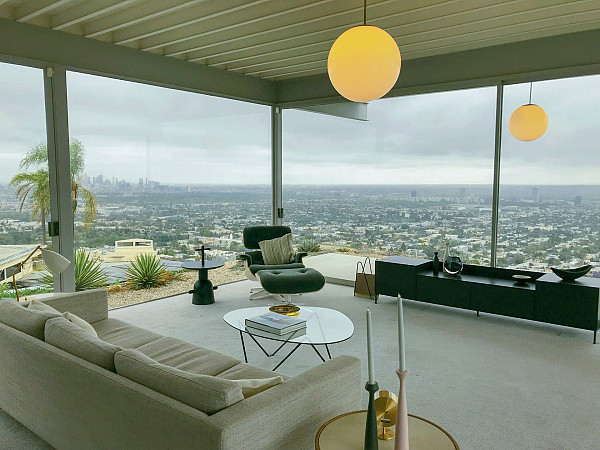
The premium on a penthouse rarely comes from the apartment itself alone. You're usually paying for the view, the privacy of not having neighbors on one or more sides, the outdoor space, and in some buildings, the simple status of the top unit. Whether that premium is worth it depends entirely on how much you value those specific things, and on whether it actually fits your budget once you factor it in alongside everything else you're paying monthly. Our rent affordability calculator can help you check that before you fall for the view. Someone who works from home and wants a private terrace gets real, daily use out of a penthouse. Someone who's rarely home and mainly wants a good address may be paying for features they'll barely use.
What to Check Before Renting a Penthouse
- Ask what specifically makes it a penthouse. Confirm the private outdoor space, ceiling height, or layout differences the listing is basing the label on, rather than assuming from the name alone.
- Check the elevator and access situation. A top-floor unit with a single, sometimes unreliable elevator as the only way up is a real day-to-day consideration, especially during a breakdown or maintenance window.
- Ask about exposure to weather. Top-floor units, particularly those with large terraces or extensive windows, can run hotter in summer and colder in winter than units lower in the building, depending on insulation. It's worth asking directly rather than assuming the building is uniform floor to floor.
- Clarify who maintains any private outdoor space. A terrace or rooftop area exclusive to your unit may come with maintenance responsibilities, drainage issues after storms, or rules about what you can and can't do with the space, all of which should be spelled out in the lease.
- Compare the premium against a high-floor unit without the label. Sometimes a well-positioned upper-floor apartment offers most of the same view and privacy at a meaningfully lower price than the unit marketed specifically as the penthouse.
Penthouse vs. a Regular Top-Floor Apartment
The practical difference comes down to what's actually included. A top-floor apartment gives you elevation and, usually, a better view than lower floors, without necessarily costing more than comparable units elsewhere in the building. A genuine penthouse adds private outdoor space, larger square footage, or upgraded finishes on top of that elevation, which is what justifies treating it as a distinct, premium category rather than just «a unit that happens to be upstairs.»
FAQ
Does a penthouse have to be on the very top floor of a building?
Not always. In taller buildings, «penthouse» sometimes refers to a set of upper floors rather than strictly the single highest one. What matters more than the exact floor number is whether the unit has the space, privacy, and features typically associated with the category.
Why are penthouses more expensive than other apartments in the same building?
The premium generally reflects a combination of larger space, private outdoor areas, better views, upgraded finishes, and reduced noise from having fewer or no neighboring units on some sides. It's rarely about floor level alone.
Is a penthouse worth the extra rent?
It depends on how much you'll actually use what you're paying for. If private outdoor space, a quiet top-floor position, or the specific view matter to your day-to-day life, the premium can be worth it. If those features go largely unused, a well-positioned apartment on a lower floor may offer similar comfort for meaningfully less.
Are all top-floor units penthouses?
No. A unit needs to be on the top floor to qualify, but floor level alone doesn't make it a penthouse in any meaningful sense. The features that actually justify the label, extra space, private outdoor area, upgraded finishes, are what separate a true penthouse from a standard top-floor apartment marketed with the word for effect.
Is the Premium Actually Worth It?
«Penthouse» describes a specific combination of features, not just a floor number, and it's worth confirming what a listing is actually offering before assuming the premium is justified. A genuine penthouse typically brings more space, private outdoor access, and upgraded finishes together in one unit, while a unit that's simply upstairs without those extras is really a top-floor apartment wearing a more expensive label. Worth noting too: unlike some property terms that carry a formal definition in local building codes, «penthouse» is largely a marketing term with no fixed legal meaning, which is exactly why it gets applied inconsistently from one building to the next. Compare what's actually included against the price before deciding whether it's the right fit for how you'll use the space. If you're weighing whether the extra rent fits your budget, see our guide on what income you need to rent an apartment, and for another property type that gets misunderstood in listings, our loft vs. studio apartment guide covers similar ground.