

Find Long-Term Residential & Commercial Rentals


 12
12
5 417 AED (د.إ)
Dubai, Bur Dubai
 6
6
31 999 AED (د.إ)
Dubai
 3
3
30 000 AED (د.إ)
Dubai, Deira
 5
5
1 450 AED (د.إ)
Dubai, Deira
 6
6
14 999 AED (د.إ)
Dubai
 10
10
155 000 AED (د.إ)
Dubai, Deira
 5
5
38 000 AED (د.إ)
Dubai
Negotiable
Hyderabad
 5
5
21 999 AED (د.إ)
Dubai
 6
6
15 999 AED (د.إ)
Dubai
 4
4
27 000 AED (د.إ)
Dubai
 7
7
106 400 AED (د.إ)
Dubai
 7
7
0 AED (د.إ)
Dubai, Deira

50 000 INR (₹)
Delhi
 6
6
22 000 AED (د.إ)
Dubai
 4
4
19 999 AED (د.إ)
Dubai
 3
3
24 000 AED (د.إ)
Dubai
 4
4
24 000 AED (د.إ)
Dubai
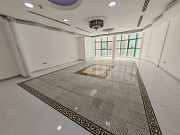 2
2
120 000 AED (د.إ)
Dubai
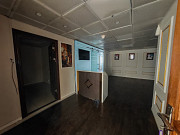 10
10
160 000 AED (د.إ)
Dubai, Deira
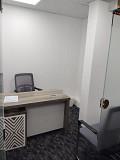 5
5
15 999 AED (د.إ)
Dubai
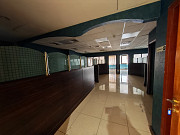 10
10
125 000 AED (د.إ)
Dubai
 6
6
120 000 AED (د.إ)
Dubai
 4
4
35 000 AED (د.إ)
Dubai, Deira
A long-term rental is a lease for six months or longer, most commonly 12 months, for an unfurnished or lightly furnished home you intend to actually live in, not pass through. That's the working definition across most of the US rental market, but the term gets used loosely enough that it's worth being precise about what actually separates it from a month-to-month arrangement on one side and a short-term or furnished stay on the other.
The single-family versus multi-family line has nothing to do with architecture, size, or whether a home shares a wall with a neighbor. It comes down to one thing: how many separate living units sit on that property under one roof or one lot. A property with one self-contained unit is single-family. Two or more, and it's multi-family, regardless of whether it looks like a house, a townhouse, or an apartment building from the street.
No, a townhouse isn't a duplex, though the two get confused for an understandable reason: they're both attached homes, and the terms get used loosely in listings. The short version is that they're answering different questions. "Duplex" is about unit count. "Townhouse" is about the building's structure. Here's what that actually means, and how a townhouse compares to a standard apartment or a detached house too.