

Renting Privately in South Africa: How to Find a Property Directly from the Owner
Renting privately means dealing directly with the person who owns the property, rather than going through a letting agency. In South Africa, that distinction matters more for landlords than most tenants realise: agency commission is usually paid by the landlord, not the tenant, so the real savings from going private mostly land on the owner's side. That doesn't make private renting pointless for tenants, though. Dealing directly with an owner often means a more flexible application process, faster answers, and no separate agency lease fee tacked onto your move-in costs. This guide covers what renting privately actually involves, how it differs from renting through an agent, and how to do it safely on either side of the deal.
Browse current long-term apartments to rent in South Africa, or if you own a property and want to rent it out directly, list it yourself.
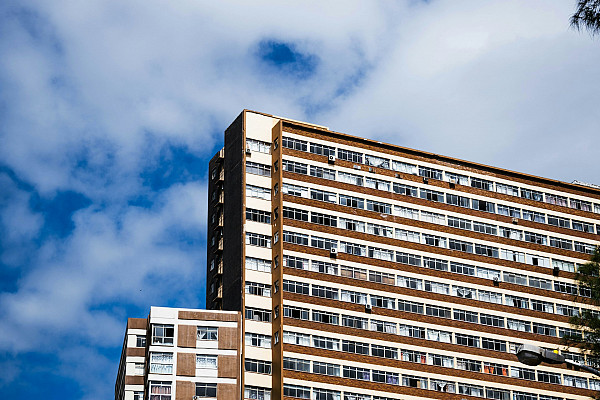
What «Renting Privately» Actually Means
A private rental is one where the landlord manages the letting themselves: advertising the property, handling enquiries, screening applicants, and signing the lease, without a letting agency acting as intermediary. This is different from a short-term or furnished holiday let, which runs on its own booking model. What this guide covers is standard long-term renting, typically a fixed lease of a year or more for a place you actually live in, just without an agent in the middle.
Why Landlords Rent Privately
For a landlord, the main reason to skip an agent is straightforward: agency commission in South Africa is commonly charged as a percentage of the monthly rent, often somewhere in the high single digits to around ten percent or more depending on whether the agent is just placing a tenant or managing the property on an ongoing basis. Renting the property out directly and handling the day-to-day management yourself means keeping that portion of the rent instead. The trade-off is that the landlord takes on the work an agent would otherwise do: advertising, screening applicants, handling maintenance requests, and managing the lease.
If you're a landlord weighing this decision, our step-by-step guide to listing your rental yourself covers the practical side of taking this on, from pricing the property correctly to screening applicants.
Why Tenants Look for Private Landlords
Since agency commission is generally the landlord's cost rather than the tenant's, renting privately in South Africa doesn't usually mean a lower advertised rent purely because there's no agent involved. What it more often means for a tenant is a more direct, flexible process: dealing with one person who can answer questions about the actual property, and in some cases avoiding a separate lease or administration fee that agencies sometimes charge tenants on top of the deposit. It's also simply a wider pool of listings to search, since not every landlord in South Africa uses an agent.
What to Check Before You Sign
- Confirm the person you're dealing with actually owns the property, or is clearly authorised to let it on the owner's behalf, before you pay anything.
- View the property in person before signing or paying a deposit. Listings with photos that look inconsistent, or a «landlord» who avoids an in-person viewing, are worth treating with caution.
- Get the lease in writing. A tenant can request a written lease even if the landlord initially proposes a verbal or informal arrangement, and it's worth insisting on one so the rent, deposit, and terms are clearly recorded.
- Understand how your deposit is protected. South African law requires a landlord to place a tenant's deposit in an interest-bearing account, with the interest belonging to the tenant, not the landlord. Deposits are commonly around one to two months' rent, agreed between the parties. Ask for written confirmation of where the deposit is held.
- Ask what's included and what isn't. Whether rates, water, and electricity are included in the rent or billed separately varies from property to property, and it should be spelled out in the lease rather than assumed.
For Landlords: Screening a Tenant Without an Agency
Without an agent running credit and background checks on your behalf, you'll need to decide your own screening process before the first enquiry comes in: whether you'll ask for proof of income, references from a previous landlord, or run a credit check yourself through a tenant-vetting service. Whatever you choose, apply it consistently to every applicant. That's both fairer and simpler to defend if a rejected applicant ever questions your decision.
Finding Legitimate Private Listings
Search specifically for listings that identify the landlord as the point of contact rather than an agency, and be alert to the usual signs of a rental scam regardless of the platform: pressure to pay a deposit before viewing, requests for payment through unusual channels, or a «landlord» who's conveniently always unavailable to meet in person. You can browse apartments to rent in South Africa directly, including listings from private landlords, or if you own a property yourself, list it directly to reach tenants without an agency in between.
FAQ
Does renting privately in South Africa mean lower rent?
Not necessarily. Because agency commission is usually paid by the landlord rather than the tenant, a private rental doesn't automatically come with a lower price tag. The more consistent benefit for tenants is a more direct process and potentially avoiding a separate agency lease fee, rather than a guaranteed discount on rent.
Is my deposit protected if I rent from a private landlord?
Yes, the same legal protections apply regardless of whether an agent is involved. South African law requires the deposit to be held in an interest-bearing account, with the interest belonging to you as the tenant. Ask the landlord for written confirmation of where the deposit is held.
Do I need a written lease if I'm renting directly from an individual?
You're entitled to request one even if the landlord doesn't offer it upfront. A written lease protects both sides by clearly recording the rent, deposit, and terms agreed to, and it's worth insisting on regardless of how informal the arrangement feels.
Can I list my property for rent without using an agent?
Yes. As the property owner, you can advertise, screen applicants, and manage the lease yourself. You'll take on the work an agent would otherwise handle, but you also keep the commission you'd have paid them.
Conclusion
Renting privately in South Africa isn't primarily a way for tenants to save money, since the agency commission it avoids is usually the landlord's cost to begin with. What it offers instead is a more direct relationship and, on the landlord's side, a real financial reason to manage the letting themselves. Whichever side of the deal you're on, the basics stay the same: verify who you're dealing with, get the lease in writing, and know how your deposit is protected before anything changes hands. Browse long-term apartments to rent in South Africa, and if you're a landlord ready to take the leap yourself, list your property directly.