

The Complete Guide to Renting a Long-Term House in Nigeria
Renting a house in Nigeria works differently from most rental markets. Instead of a monthly payment cycle, landlords typically expect a full year's rent paid upfront, plus separate agency and legal fees on top of it. Understanding this structure before you start searching is what determines whether a house actually fits your budget, not just the annual rent figure printed in the listing. This guide covers how long-term house renting works in Nigeria, what the real move-in cost looks like, how Lagos and Abuja compare, and how to verify a property before you pay anything.
Browse current listings for long-term houses for rent in Nigeria, or search specifically in Lagos long-term house rentals. If you own a house and want to rent it out directly, you can list it yourself.
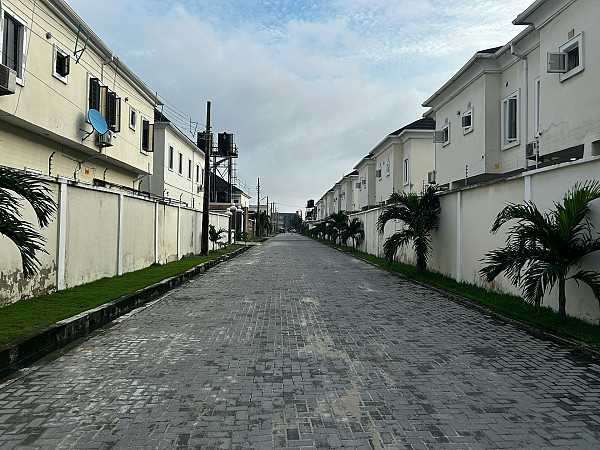
Lagos
What «Long-Term» Means for House Rentals in Nigeria
In most rental markets, «long-term» simply distinguishes a 12-month lease from a furnished short stay. In Nigeria it means something more specific: tenants typically pay a full year's rent, sometimes two years, in a single upfront payment, then renew on the same basis. That's also why «short let» exists as its own category in the Nigerian market. It refers specifically to furnished, short-stay accommodation billed by the night or week, priced and booked more like a hotel than a home. If you're planning to actually live somewhere rather than pass through it, you want a standard long-term rental, and that's what this guide is about.
The Real Cost of Renting a House: Beyond the Advertised Rent
The annual rent figure quoted in a listing is rarely the full amount due at move-in. Nigerian house rentals commonly add several costs on top of the first year's rent:
| Cost item | What it typically covers |
|---|---|
| Annual rent | The base cost, usually paid upfront for the full year and sometimes longer |
| Agency fee | Paid to the agent who facilitated the deal, commonly calculated as a percentage of the annual rent |
| Legal fee | Covers preparing and reviewing the tenancy agreement, also commonly calculated as a percentage of the annual rent |
| Caution deposit | A refundable deposit held against damage, separate from the rent itself |
Add these together and the true move-in cost is noticeably higher than the advertised rent alone. Ask for a full, itemized breakdown before you commit to a property rather than assuming the quoted figure is the whole picture. That one question heads off most of the disputes that come up between tenants and agents after the fact.
Renting directly from the property owner, with no agent in the middle, removes the agency fee from the equation entirely. You can browse owner-listed houses for rent to see the difference for yourself.
Advance Rent Rules Are Shifting: Confirm What Currently Applies
Nigeria's rental market is under real pressure from inflation, and there's active public and regulatory discussion, particularly around Lagos, about limiting how much rent a landlord can demand upfront and how much it can rise at renewal. This area is genuinely in flux and varies by state, and a proposed change isn't the same thing as a rule already in force. Rather than quote specific figures here that could be outdated by the time you read this, the safer approach is practical: ask your landlord or agent directly what advance payment and renewal terms they're applying, get it in writing, and check with your state's housing authority or a local lawyer if you need certainty on what currently applies where you're renting.
Lagos vs. Abuja: How the House Rental Market Compares
Lagos and Abuja are Nigeria's two largest and most active rental markets, but they don't function identically. Lagos rental demand spreads across a wide range of mainland and island areas, each with its own character and price tier, from busier and more affordable mainland districts to higher-demand areas closer to the island. Abuja's market is organized more explicitly around named estates and districts, and tenants there tend to search by specific estate rather than by broad city area, which reflects how the city itself was planned into distinct residential zones. The underlying cost structure is the same in both cities: annual rent, agency and legal fees, and a caution deposit.
If you're specifically searching in Lagos, browse Lagos house listings directly rather than filtering through the national inventory.
Verifying a House and Landlord Before You Pay
- Confirm the person you're dealing with actually owns or is authorized to lease the property. Ask to see documentation connecting them to the property before making any payment, and treat pressure to pay before that's settled as a warning sign.
- Visit the house in person. Listing photos can be outdated, or in the case of a scam, unrelated to the property actually being offered. If you're relocating from another city, have a trusted contact or agent view it on your behalf rather than paying sight unseen.
- Don't pay rent, an agency fee, or a deposit before you've seen the property and have a written agreement. Pressure to pay in full before a viewing, or unusual urgency to «secure» the house immediately, is the clearest sign something's wrong.
- Get every cost itemized before any money changes hands, not after.
What to Put in Writing Before You Sign
- The exact rent amount and payment period — one year, two years, or whatever's been agreed — along with the renewal terms.
- What the deposit covers, and the conditions for getting it back at the end of the tenancy.
- Who handles repairs and maintenance. This matters more for a standalone house than an apartment, where landlords and tenants more often split responsibility for plumbing, electrical work, and the compound or exterior.
- Whether the property has reliable water and power, and who covers generator, borehole, or inverter costs if applicable. This single detail shapes day-to-day livability more than the rent figure does.
For Landlords: List Your House Directly
If you own a house and don't want to split a fee with a broker, listing it yourself is straightforward. Have the details ready: location, bedroom and bathroom count, annual rent, deposit amount, and the state of essentials like water and power, along with clear photos of every room and the exterior. You can list your house on Yonfi and reach tenants directly, with no agent's commission built into the deal.
FAQ
Why do Nigerian landlords ask for a year's rent upfront instead of monthly payments?
It's the long-standing convention in the Nigerian rental market, and it gives landlords guaranteed income for the full term. There's ongoing public discussion about more flexible payment structures, especially in Lagos, but annual upfront payment is still the default most tenants should expect. Confirm the specific payment terms a landlord is asking for before you commit to anything.
What's the difference between «short let» and a long-term house rental in Nigeria?
A short let is furnished accommodation rented for days or weeks and priced like a hotel stay. A long-term rental is a house leased for a full year or more under a standard tenancy agreement. If you're planning to live somewhere on an ongoing basis, you want a long-term listing, not a short let.
Do I have to use an agent to rent a house in Nigeria?
No. You can rent directly from the property owner, which removes the agency fee from your move-in costs. A legal fee for preparing the tenancy agreement may still apply even without an agent involved, depending on the arrangement.
How do I avoid rental scams when renting a house in Nigeria?
Verify that the person you're dealing with actually controls the property, insist on seeing the house in person or through a trusted representative before paying anything, and never send full rent, an agency fee, or a deposit before you have a written agreement in hand.
Conclusion
Renting a house long-term in Nigeria means budgeting for more than the rent figure in the listing. Agency and legal fees, a caution deposit, and the fact that most of it is due upfront before you move in all shape what you'll actually need on day one. Knowing that structure going in, verifying who you're dealing with, and getting every cost in writing are what separate a smooth move from an expensive mistake. Whether you're searching nationally or specifically in Lagos, start with current house listings. If you have a property to rent out, list it directly and skip the agent altogether.